
This Building Has a Story: Inside Golden's Historic Armory
Some buildings are just buildings. And then there's ours.
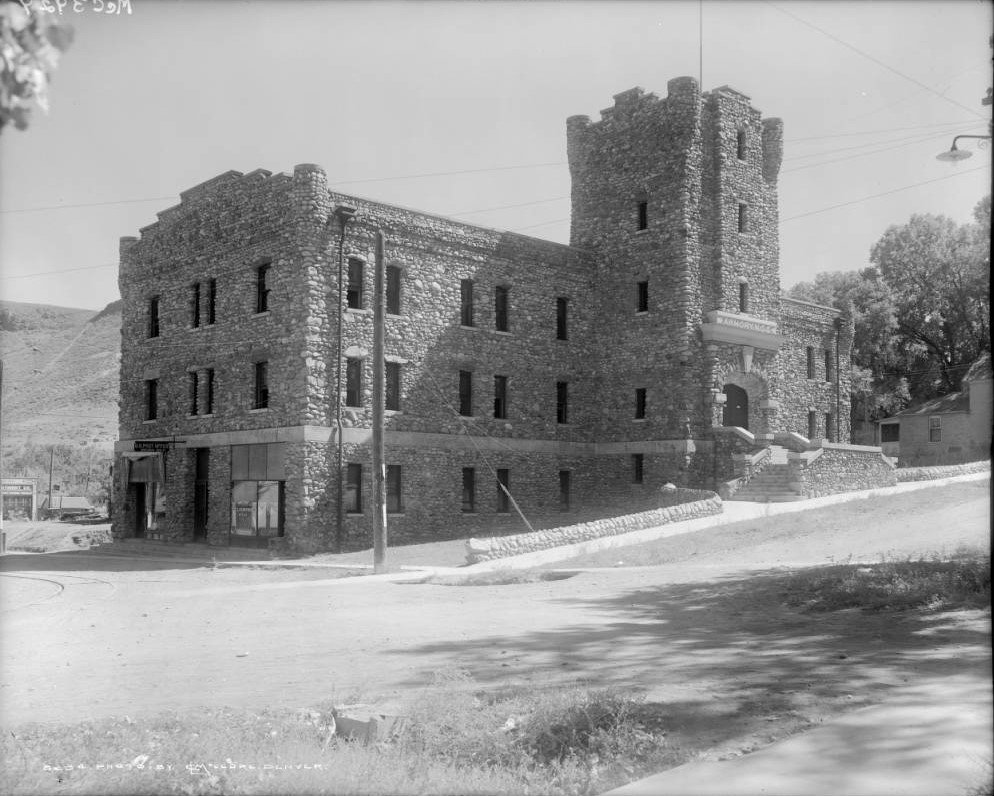
The Colorado National Guard Armory, sitting at the corner of 13th and Arapahoe in the heart of Golden, has been a lot of things over the past 110-plus years. A military fortress, a community hub, an emergency hospital, a hotel, and today, home to Connects Workspace.
If those cobblestones could talk, they'd have a lot to say.
Built to Last
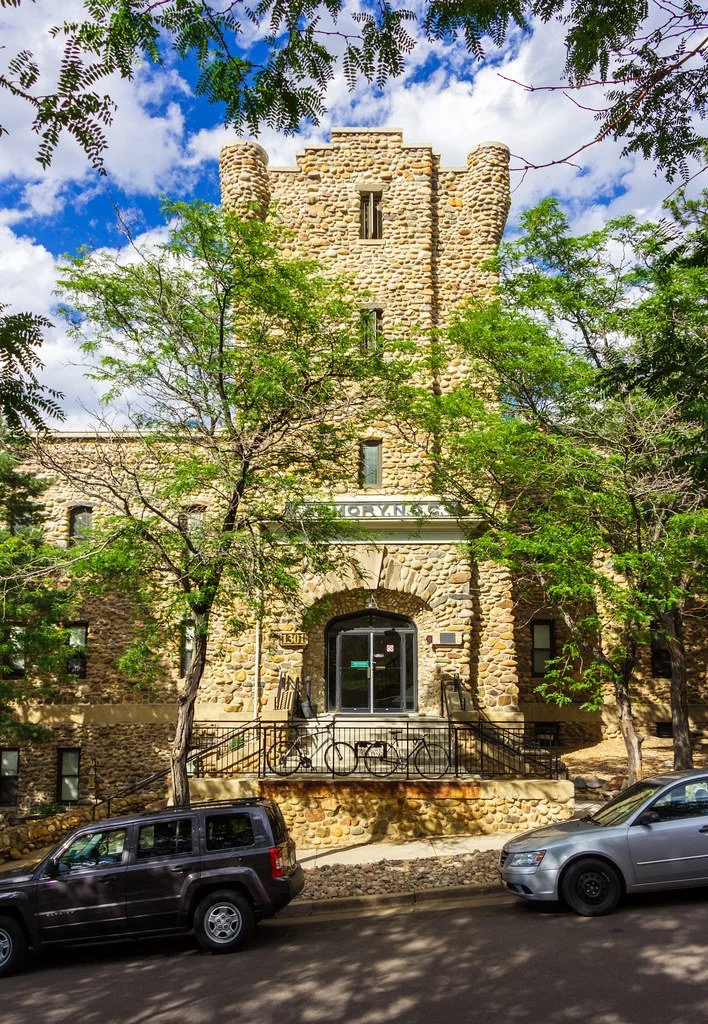
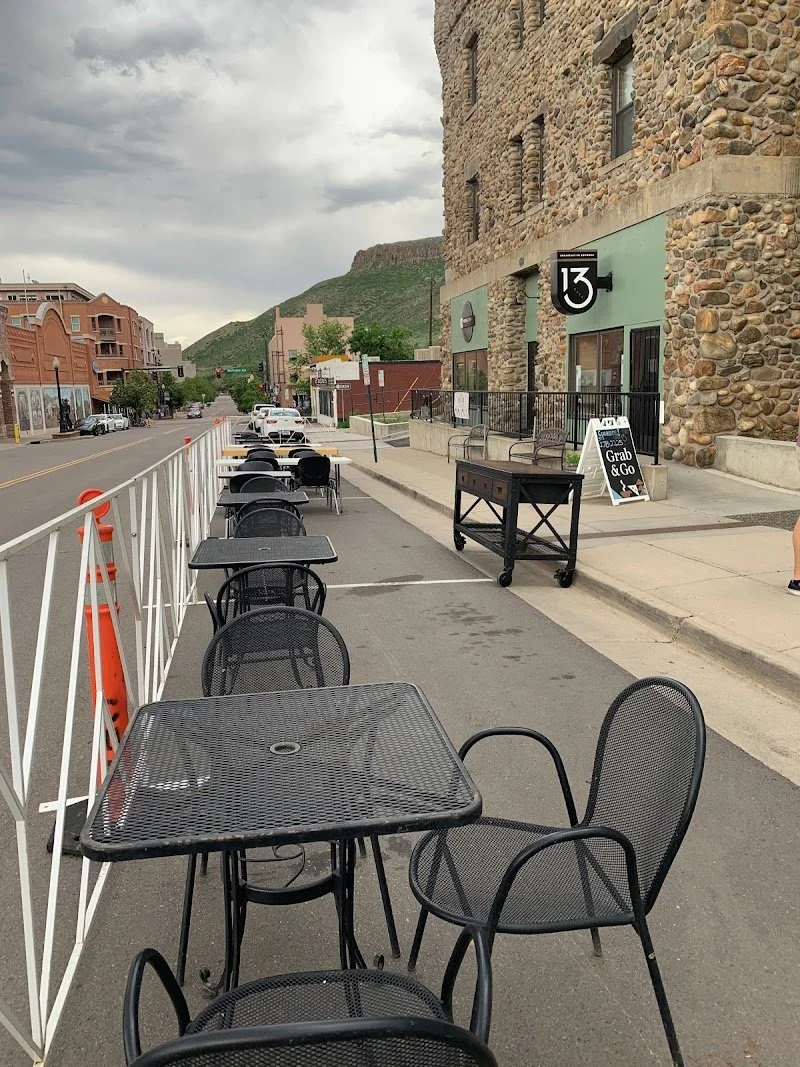
The Armory's cornerstone was laid on June 14, 1913, and from day one, the building was meant to make a statement. Architect James H. Gow designed it in a castle style, a nod to the U.S. Army Engineers' castle emblem. It was a building that meant business.
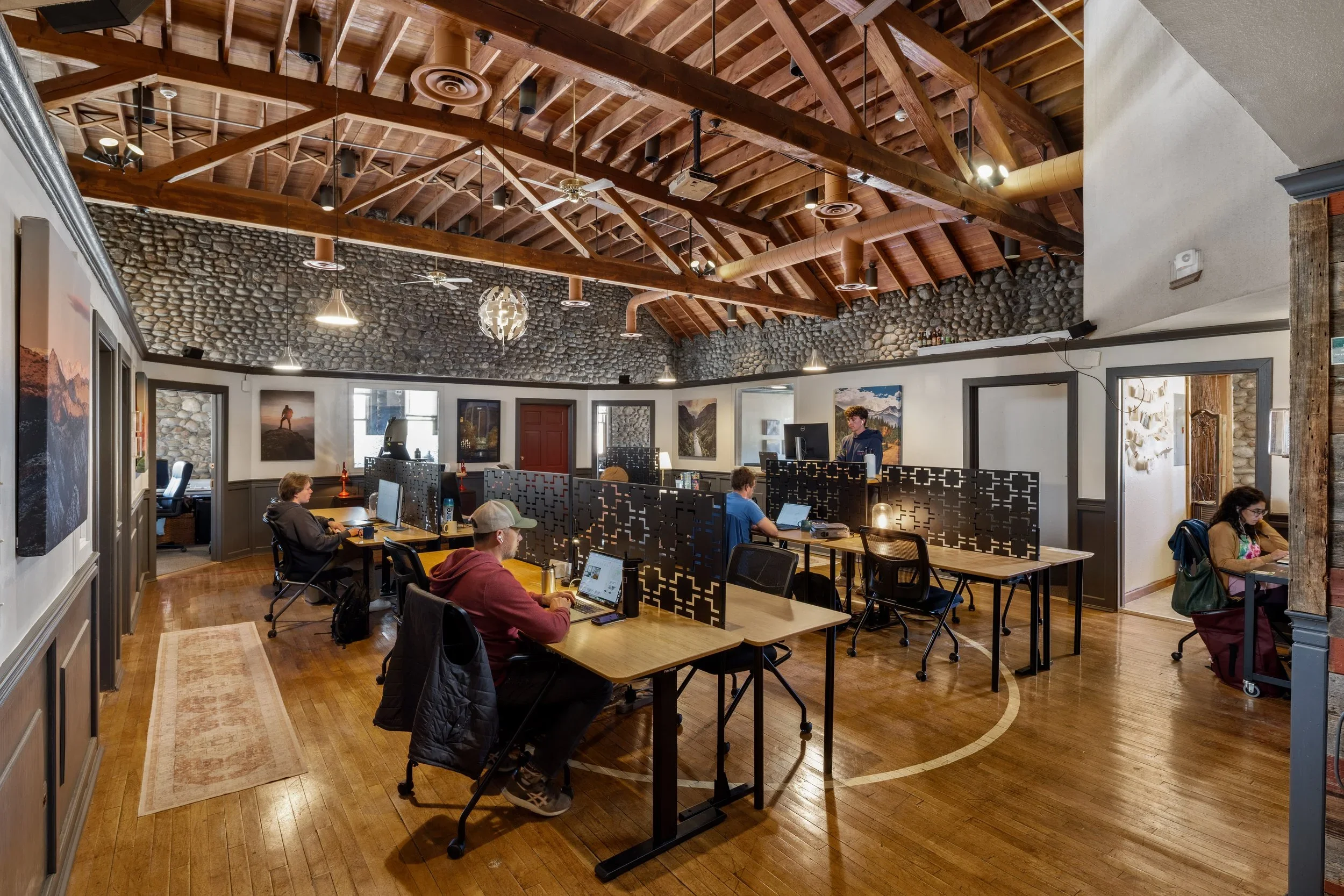
What makes it truly one-of-a-kind is what it's made of. The original plans called for brick, then granite, but cost saving measures led to something far more interesting: cobblestone hauled directly from Clear Creek. About 3,300 wagonloads of it, totaling roughly 6,600 tons of locally sourced stone, each piece hand loaded and carted to the site. The result was so remarkable that the Armory was recognized as the largest cobblestone building in the United States, a distinction impressive enough to earn a mention in Ripley's Believe It Or Not.
It's the kind of fact that makes you look at our walls a little differently.
More Than a Military Post
Built to house Colorado National Guard Company A of Engineers, the Armory had all the trappings of military life: barracks, a mess hall, weapons storage, and a spacious drill hall on the second floor. But even from the start, this wasn't only a place for the Guard. The third floor auditorium, known as Armory Hall, hosted community events. The garden level was home to Golden's Post Office, a photo shop, and rentable public spaces. A map room sat up in the tower. Even back then, the building was a place where different worlds overlapped.
A Building That Showed Up
When World War I broke out, the Armory served as temporary quarters for military personnel passing through. But perhaps its most meaningful chapter came in 1918, during the influenza epidemic. As communities scrambled to care for the sick, the Armory became an emergency Red Cross hospital, doing what it had always done: showing up for the people who needed it.
Finding Its Footing
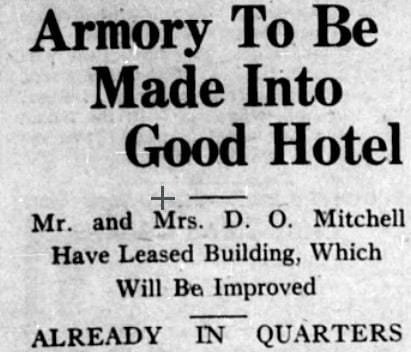
After the wars, the Armory entered a quieter, more uncertain stretch. With the military's need for the space diminished, it became, as one account put it, "a bit of a white elephant." Colorado School of Mines eventually took ownership, and in 1928 they leased a large portion to local hotel operators. The Mitchell Hotel ran a dining room and twenty guest rooms inside those thick cobblestone walls for six years before relocating down the street. Over the following decades, the building cycled through various uses: offices, student housing, and more.
Home to Something New
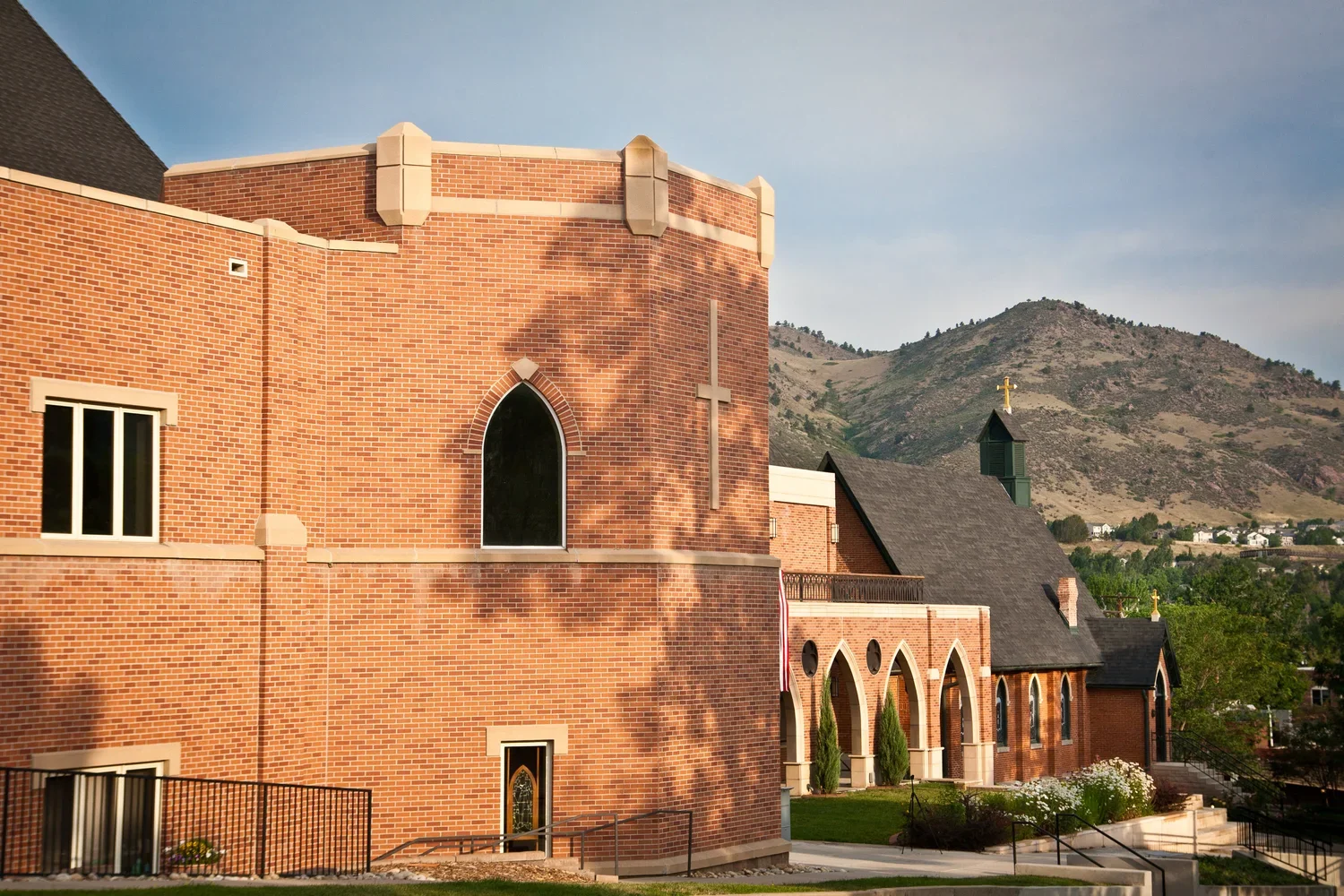
Today, our building is alive in a way that feels right for everything it's been. Calvary Episcopal Church owns the property, and the mix of people and purposes inside feels like a natural continuation of the Armory's history. Café 13 anchors the first floor. Colorado School of Mines students live on the second floor. And on the upper floors, we get to call this place home as Connects Workspace, Golden's coworking space.
There's something we genuinely appreciate about working in a building with this kind of past. The walls around us once housed soldiers, sheltered the sick, and hosted community gatherings. We're just the latest chapter in a story that's been going for over a century, and we don't take that lightly.
Come See Us
If you've never stepped inside the Armory, you're in for a treat. Whether you're looking for a great place to work, curious about Golden's history, or just want to see what 6,600 tons of Clear Creek cobblestone looks like up close, we'd love to show you around.
Those stones have been here for over a century. We plan to stick around too.